
About Shift Change Learning
Practical learning for the realities of healthcare security.
Shift Change Learning creates clear, usable resources for healthcare security officers, supervisors, and teams who need guidance that fits real operational work.
Why it exists
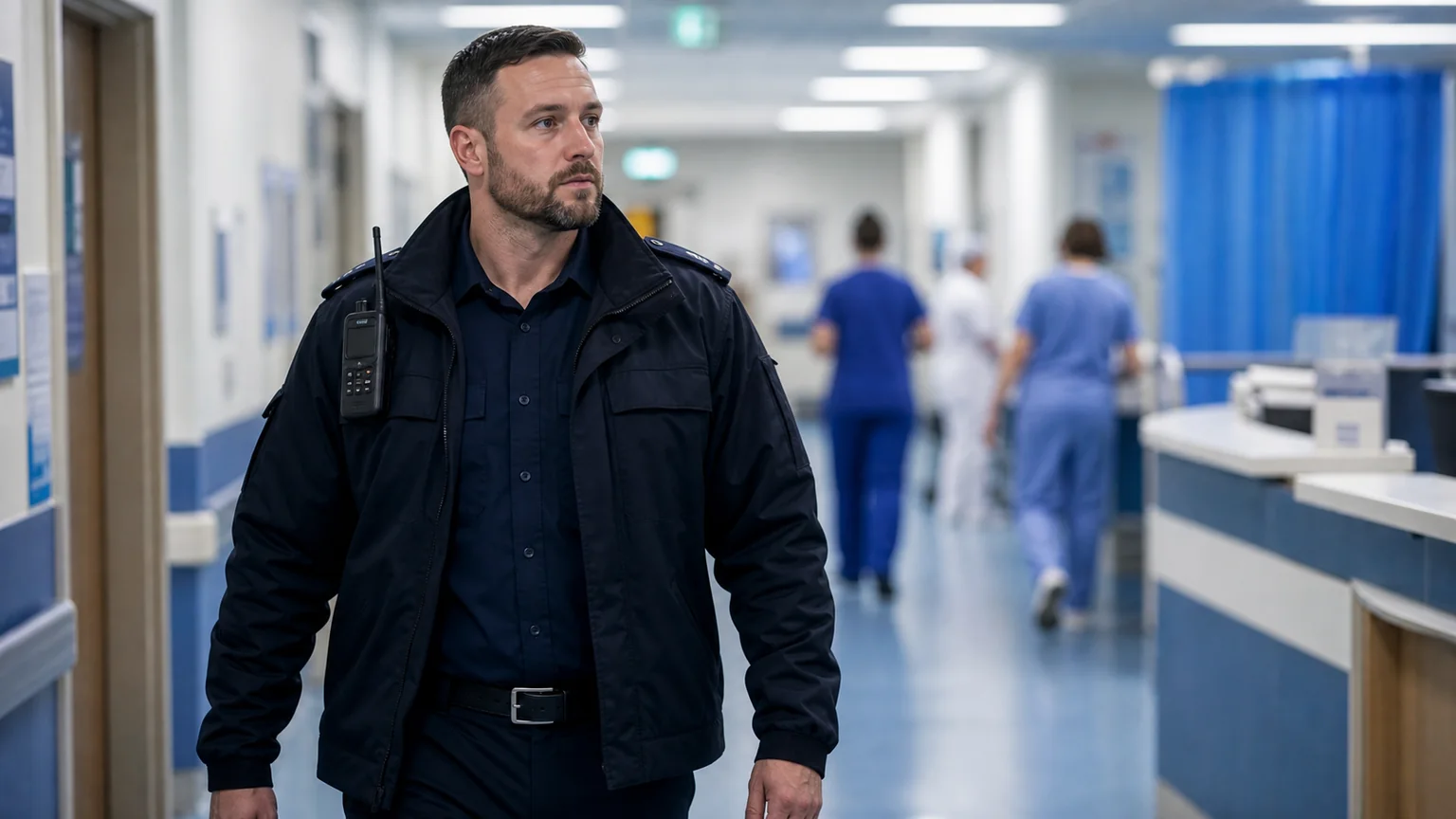
Healthcare security is more complex than it often looks from the outside.
Hospitals are unpredictable operational environments. Security teams may deal with aggression, vulnerability, missing patients, CCTV, access control, emergency response, report writing, radio communication, and staff reassurance, sometimes within the same shift.
Shift Change Learning exists to support the practical skills behind that work: clear communication, proportionate judgement, accurate records, professional standards, and safer decision-making.
Built From Operational Experience
Learning shaped around the work healthcare security teams actually do.
Shift Change Learning is developed from practical experience across healthcare security, operational coordination, service delivery, and team development.
That background includes frontline hospital security work, CCTV and incident support, dynamic risk assessment, emergency preparedness, staff mentoring, and high-pressure operational coordination.
The result is a resource library shaped around real priorities: clear communication, proportionate decision-making, accurate reporting, professional standards, and practical support for people doing difficult work.
What guides the work
Resources should be useful before they are impressive.
The aim is not to create complicated theory. It is to create material that helps people brief better, communicate better, write better, and make better decisions on shift.
How We Build Resources
Short enough to use. Structured enough to support learning.
Each resource starts with a practical operational need, then turns it into guidance that officers and supervisors can use without wading through unnecessary theory.
- Start with a real healthcare security problem or skill gap.
- Keep the language plain, direct, and briefing-friendly.
- Focus on actions, judgement, communication, and standards.
- Make resources useful for officers, supervisors, and training leads.
- Position every guide as support for, not a replacement for, local policy and professional judgement.
Current Resources
Built around practical shift skills.
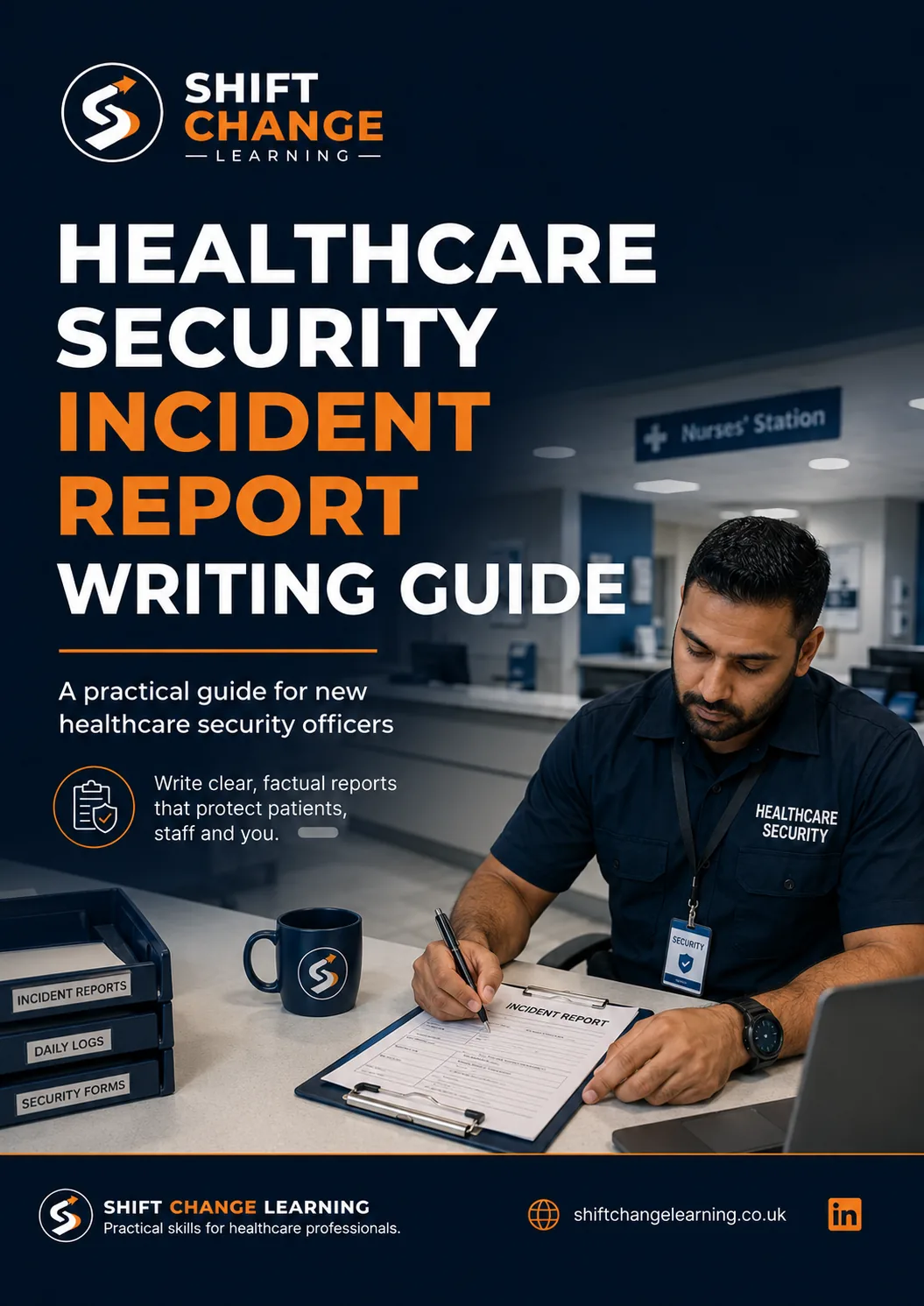
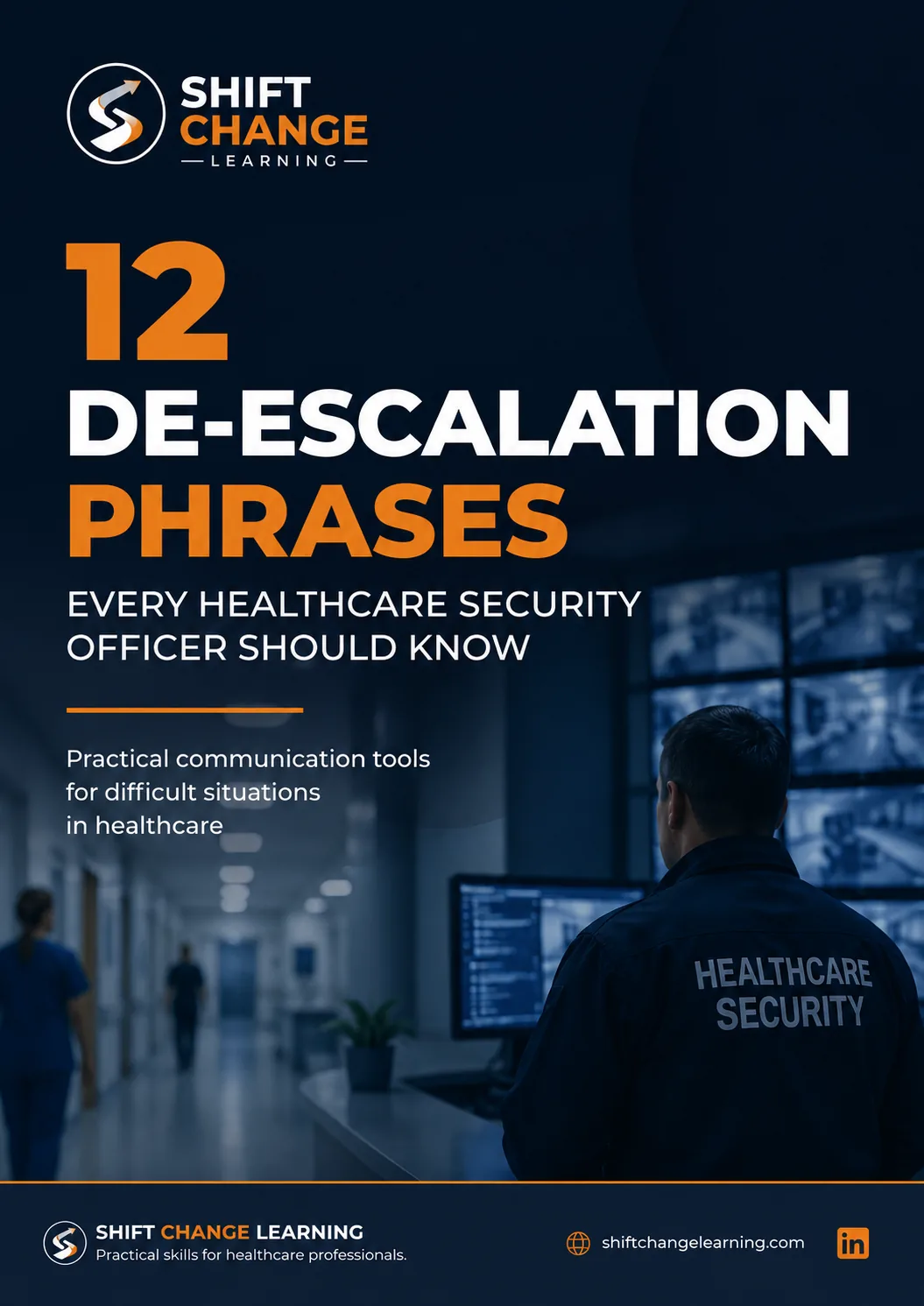
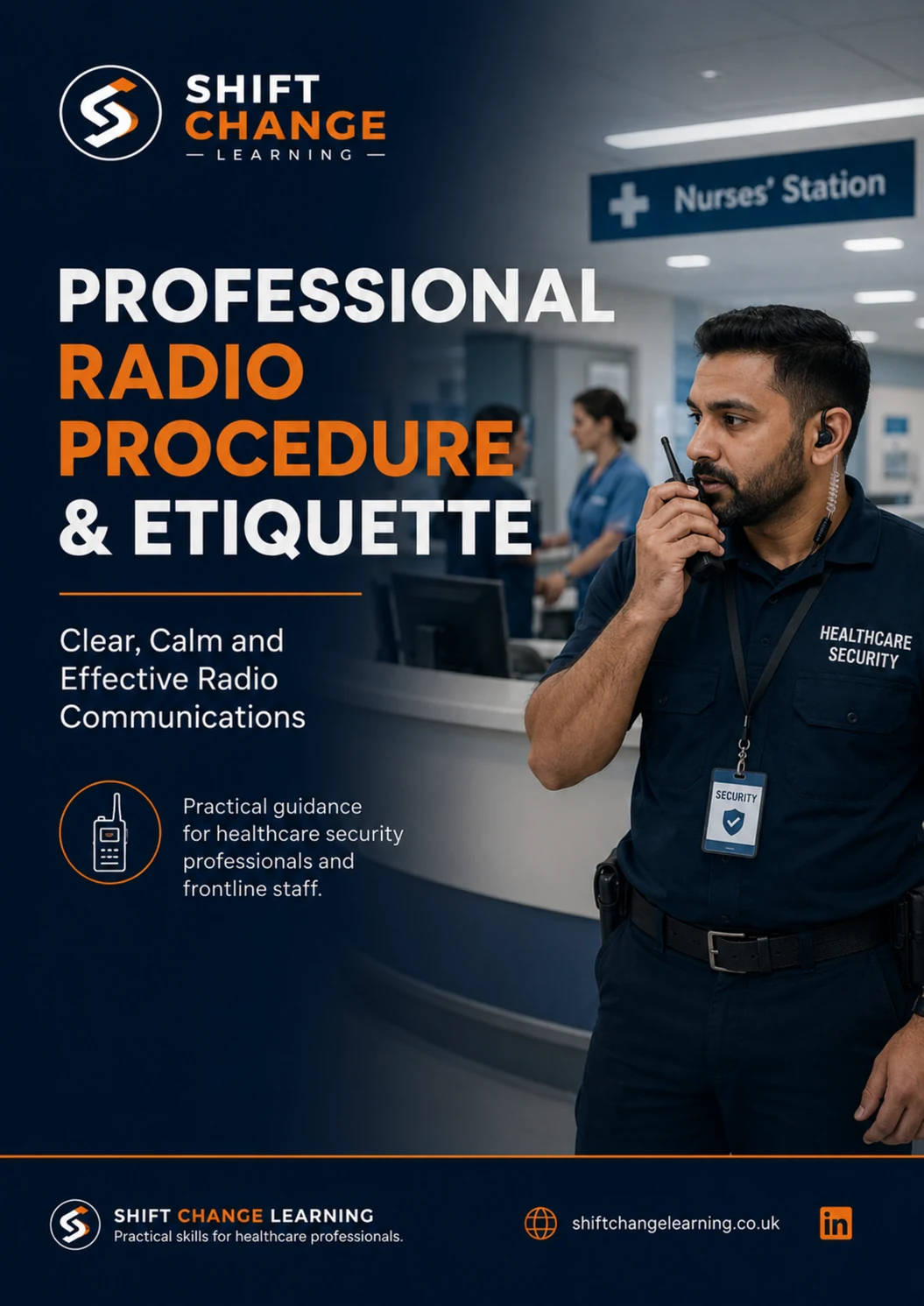
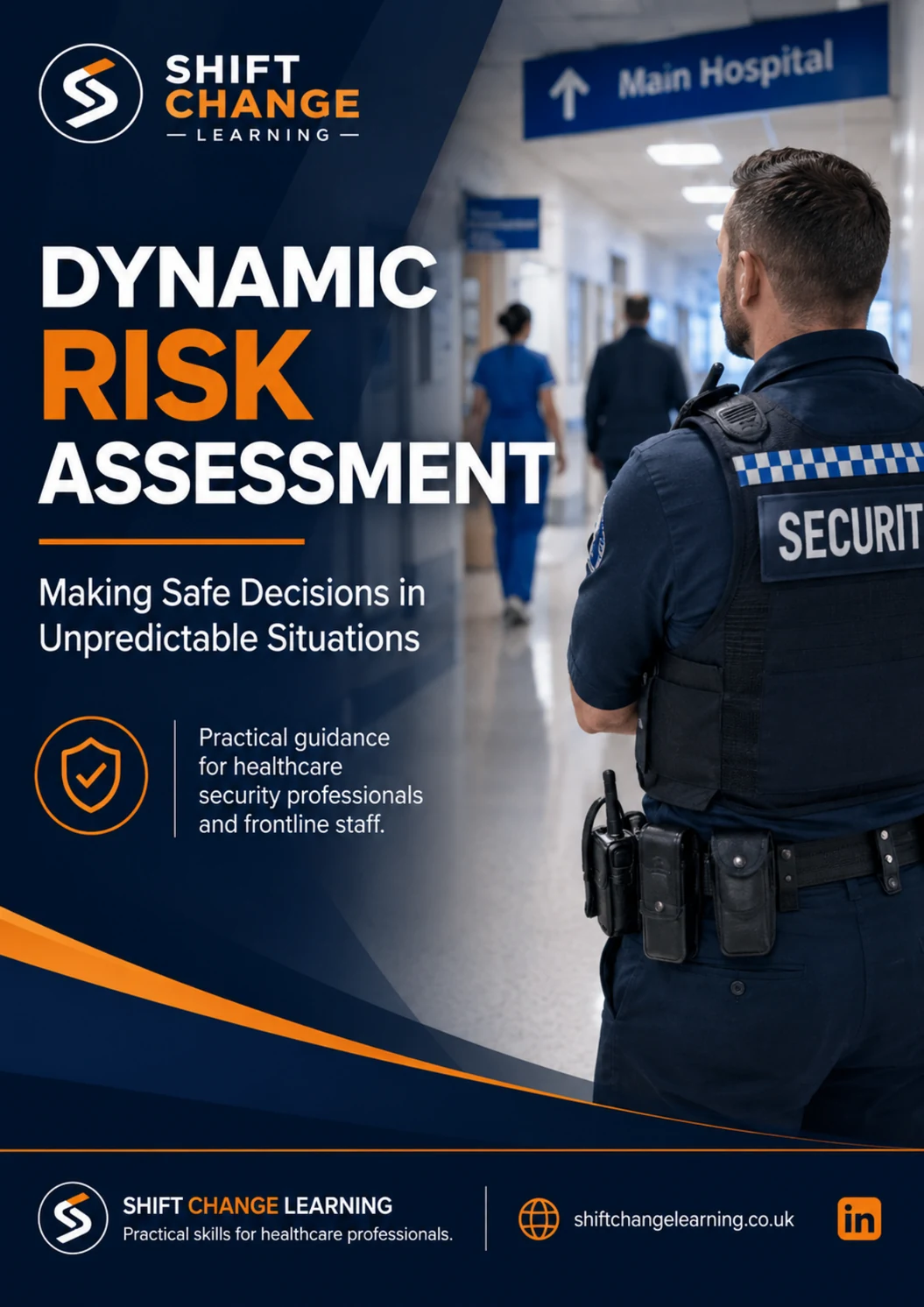
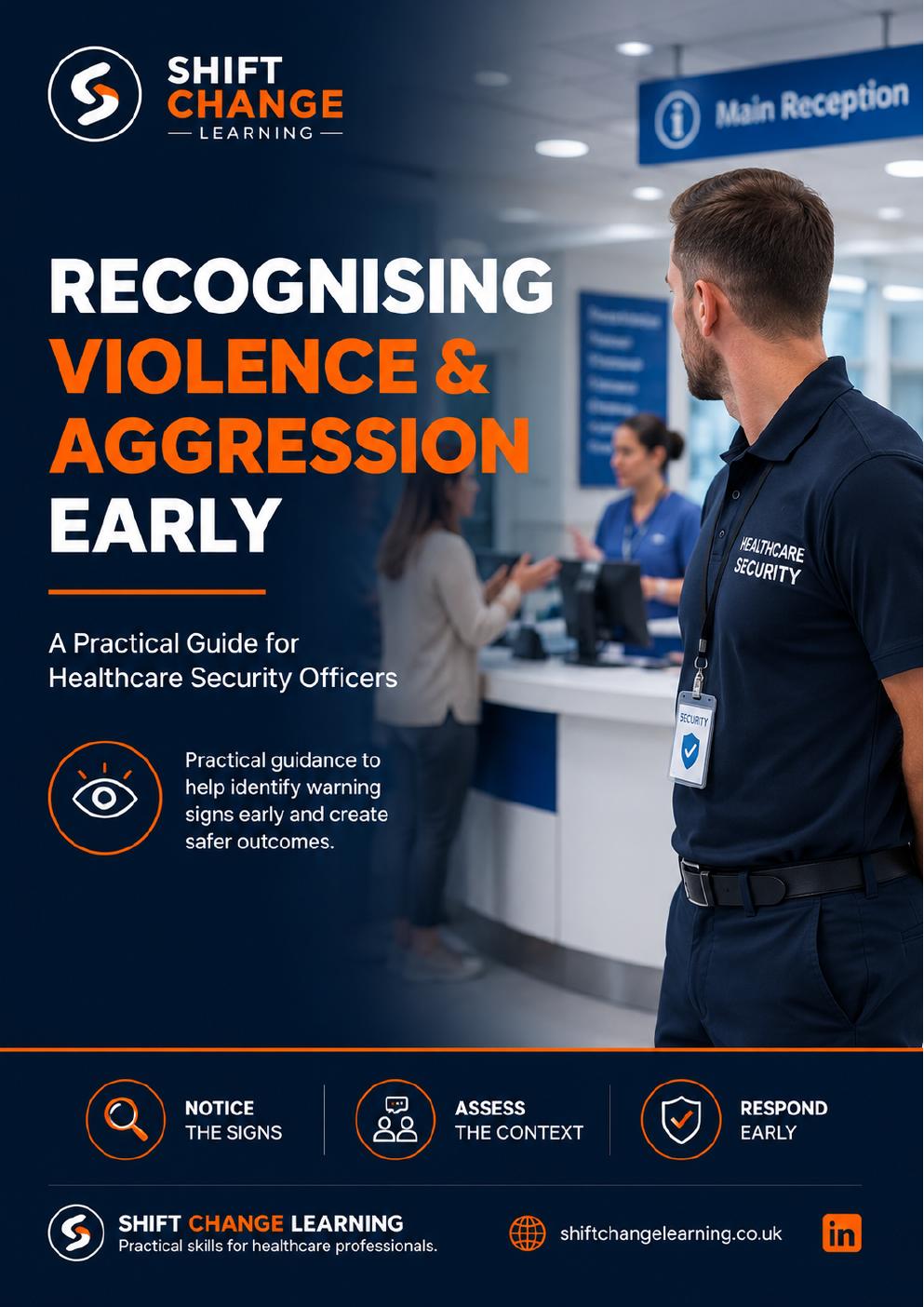
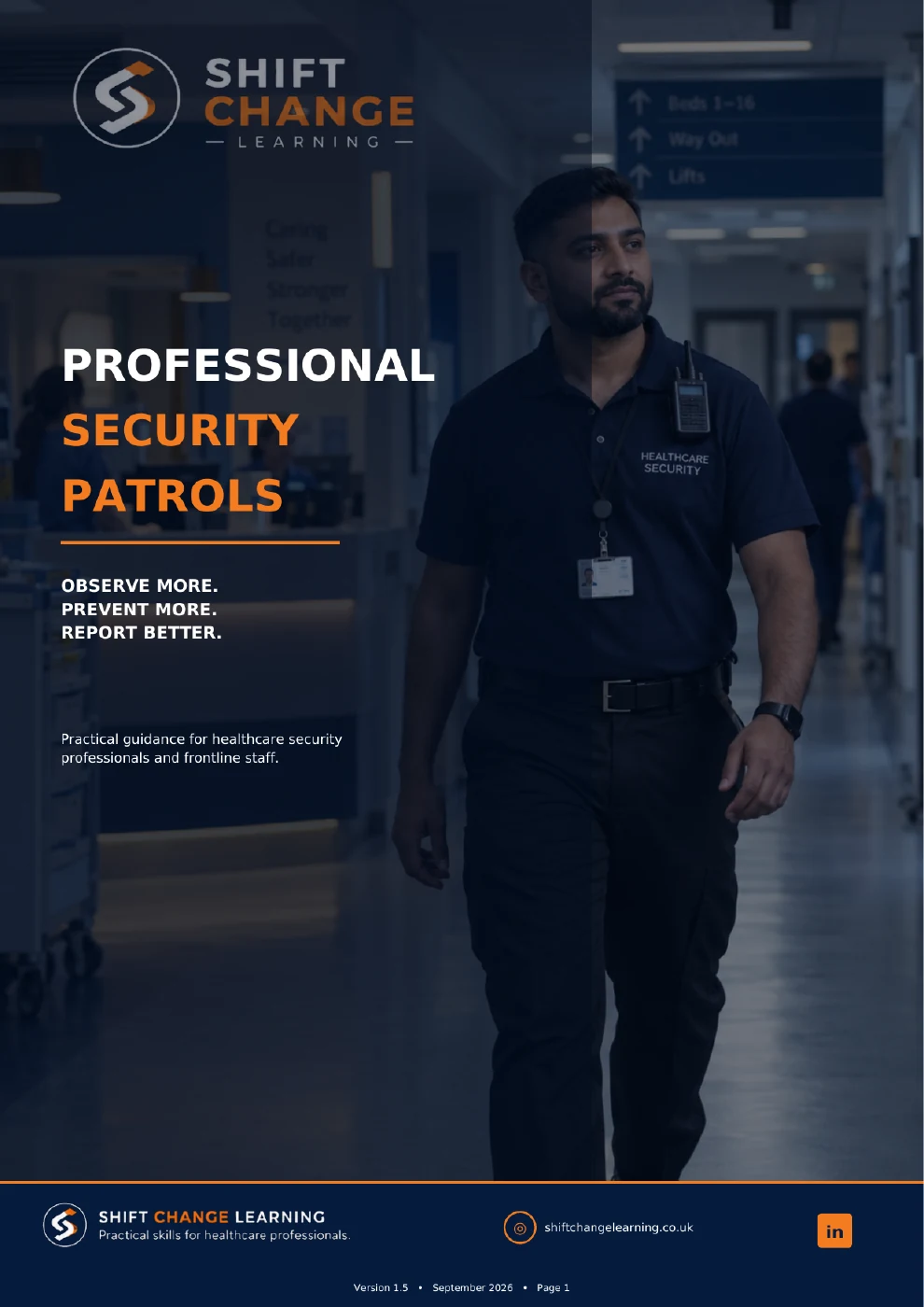
The current guides focus on the skills that repeatedly shape outcomes in healthcare security work.
Who We Support
Made for people carrying the work.
The resources are designed to help individuals improve their practice and help leaders develop more consistent team standards.
Core Focus Areas
Better everyday standards, not box-ticking.
Free Resources
Start with the free guides.
Download practical healthcare security resources for early recognition, de-escalation, report writing, radio procedure, risk assessment, patrols, briefings, refreshers, and team development.