Fact over opinion
Separate what was seen, heard, said, and done from assumptions or personal interpretation.
 SHIFT CHANGELearning
 Topic Hub
Incident reports are often where the quality of a security response is judged after the event. This topic focuses on writing clear, factual records that help supervisors, clinical teams, investigators, and future readers understand what happened without guesswork.
What This Covers
Each topic page is built around the jobs, decisions, and conversations healthcare security teams actually face on shift.
Separate what was seen, heard, said, and done from assumptions or personal interpretation.
Build a report that follows time, location, people involved, actions taken, and outcome.
Use plain language that can be understood by managers, clinicians, police, and external reviewers.
Write in a way that supports learning, escalation, follow-up, and organisational memory.
Common Scenarios
These examples make the topic more concrete and help readers connect the resources to real healthcare security work.
Recommended Guides
Selected resources that fit this topic most closely, rather than every product in the catalogue.
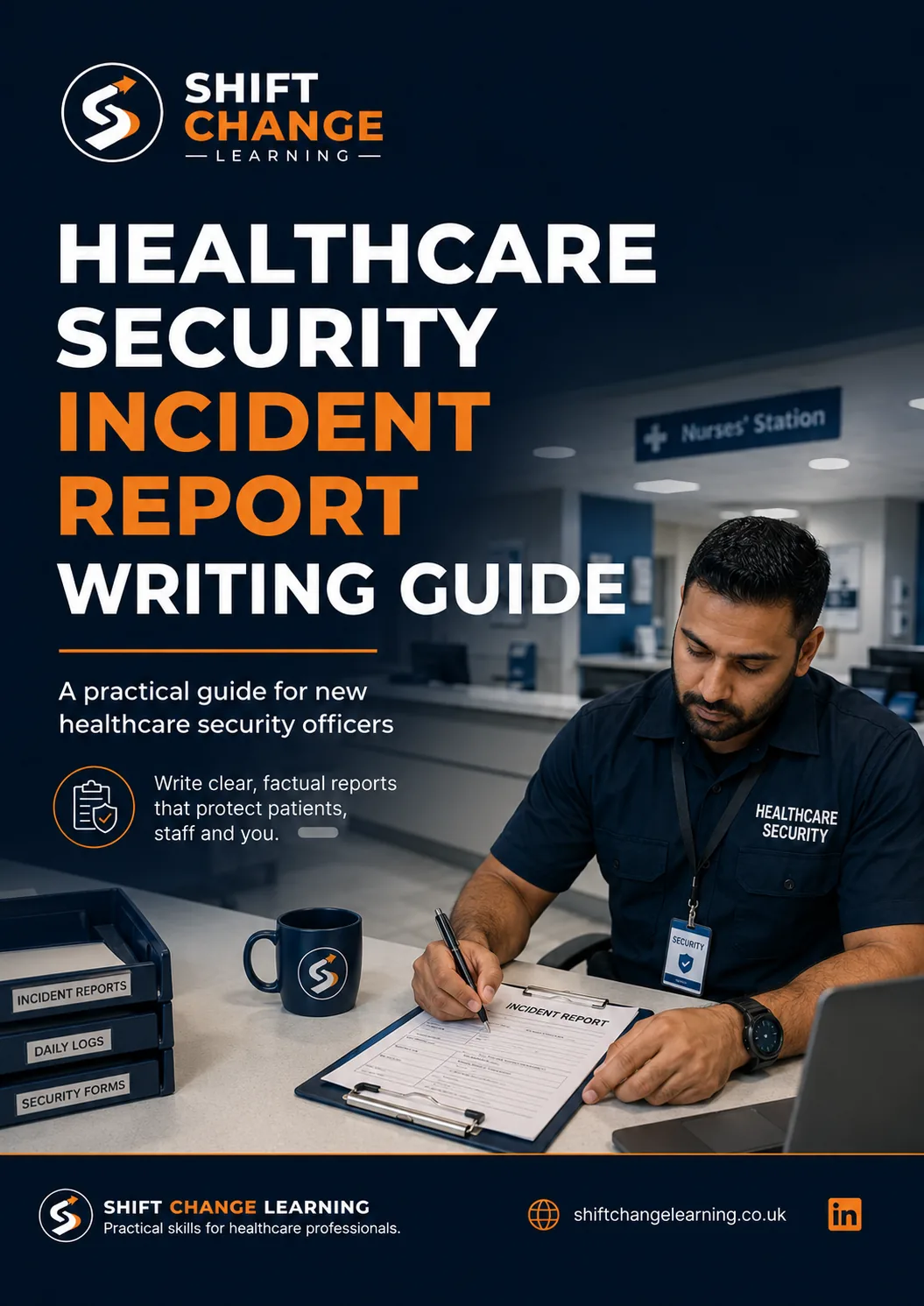
Free digital guide
A practical guide for new healthcare security officers who need to write clear, factual incident reports.
Related Reading
Curated posts first, followed by wider articles that share this topic's tags.
A practical overview of what healthcare security officers should aim for when writing incident reports.
Read article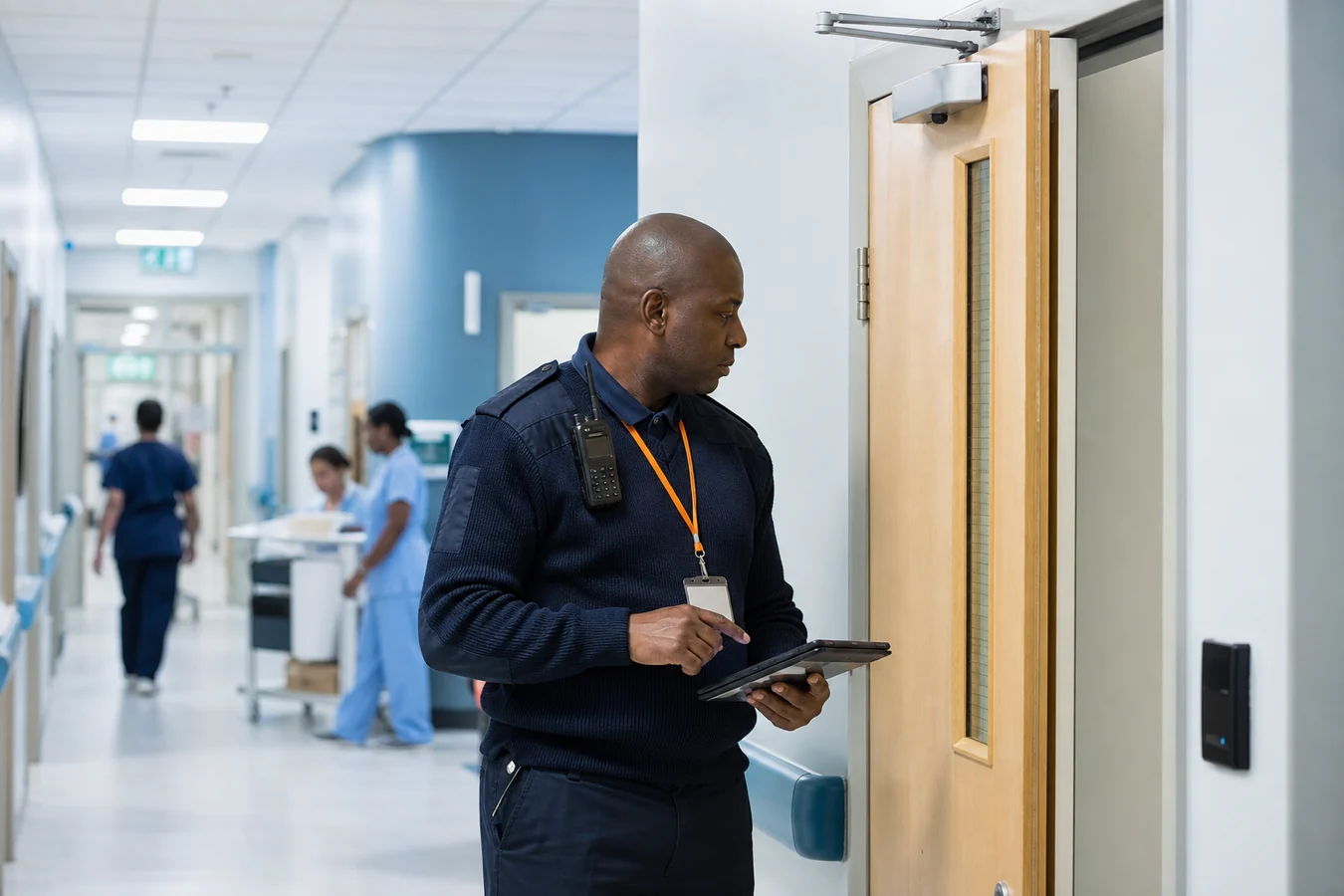
Small security failures can quietly become normal in hospitals. Learn why consistent standards, reporting, and early action protect people and services.
Read article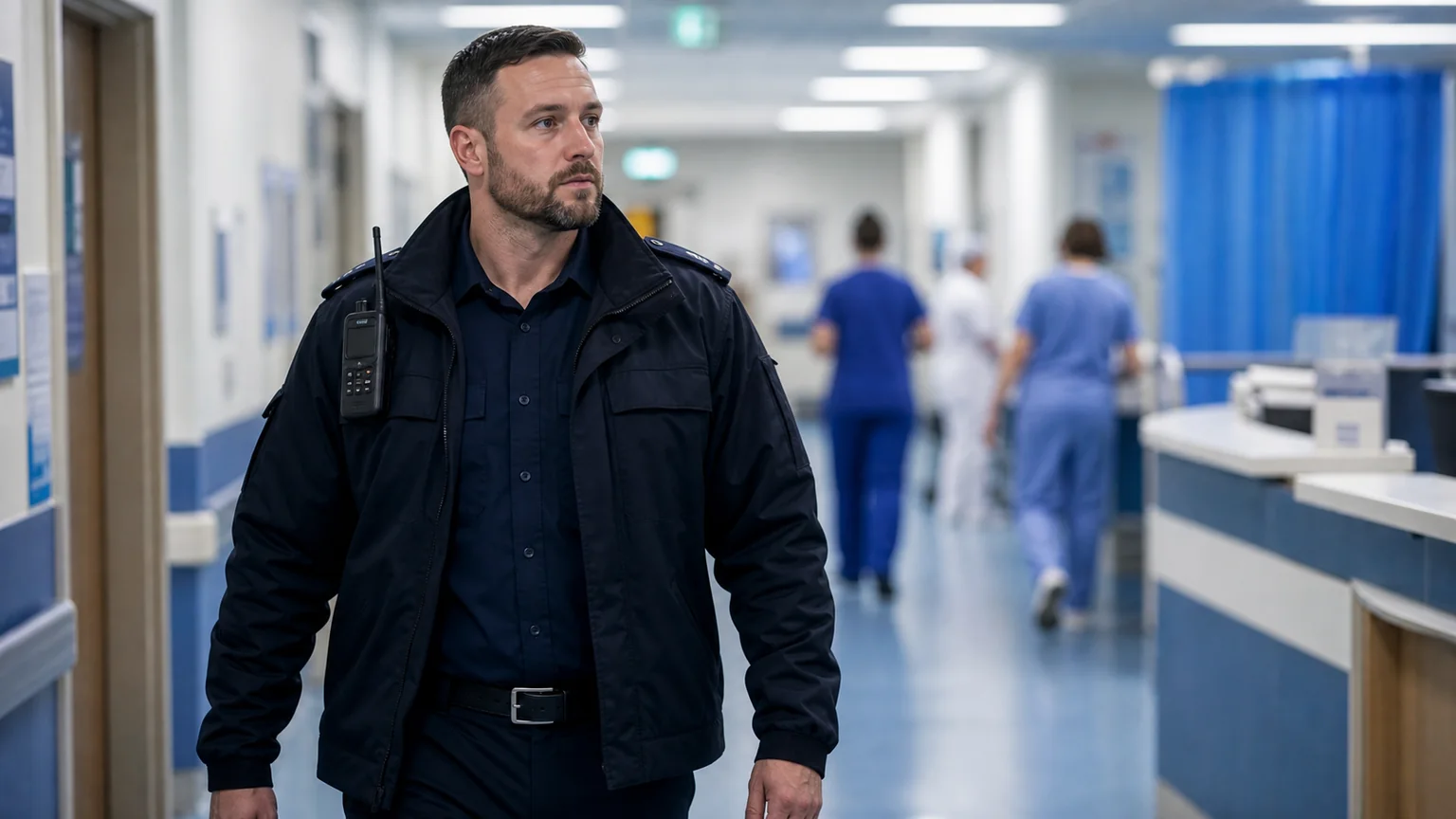
Discover what healthcare security officers really do, from patrols and CCTV to conflict management, emergency response, communication, and incident reporting.
Read articleFAQ
It should normally include the time, location, people involved, reason for attendance, what was observed, what was said where relevant, actions taken, outcome, witnesses, and any follow-up or escalation.
Avoid unsupported opinions, loaded language, unnecessary medical detail, jokes, exaggeration, and conclusions that are not backed by what the officer directly saw, heard, or did.
Reports help protect patients, staff, officers, and the organisation by creating a clear record for review, complaints, investigations, safeguarding, and future learning.
Next Steps