Start informed
Use handovers, local instructions, recent incidents, and site changes to set a purpose before the patrol begins.
 SHIFT CHANGELearning
 Topic Hub
A healthcare security patrol is more than a route through the building. Officers move between busy public spaces and quiet restricted areas, noticing changes, verifying concerns, reassuring people, and passing useful information to the next shift. This topic focuses on what makes that routine work purposeful.
What This Covers
Each topic page is built around the jobs, decisions, and conversations healthcare security teams actually face on shift.
Use handovers, local instructions, recent incidents, and site changes to set a purpose before the patrol begins.
Look for differences in people, access points, equipment, hazards, and the environment without jumping to conclusions.
Verify designated doors, routes, and controls according to local permissions rather than assuming all is well.
Respond to urgent risks, use the right reporting route, and make unresolved concerns clear at handover.
Common Scenarios
These examples make the topic more concrete and help readers connect the resources to real healthcare security work.
Recommended Guides
Selected resources that fit this topic most closely, rather than every product in the catalogue.
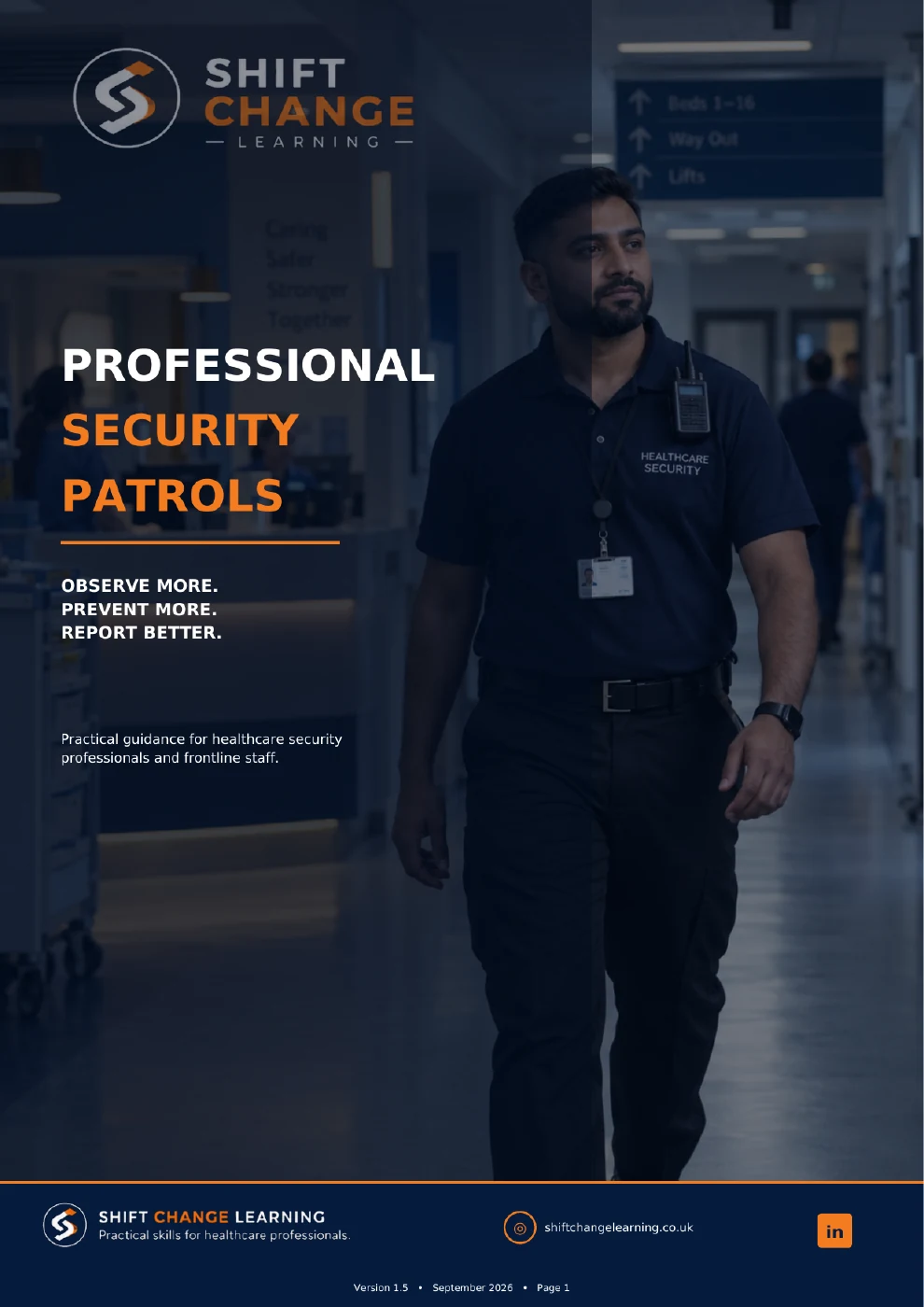
Free digital guide
Practical guidance for purposeful healthcare security patrols: observe more, identify concerns early, and report what matters.
Related Reading
Curated posts first, followed by wider articles that share this topic's tags.
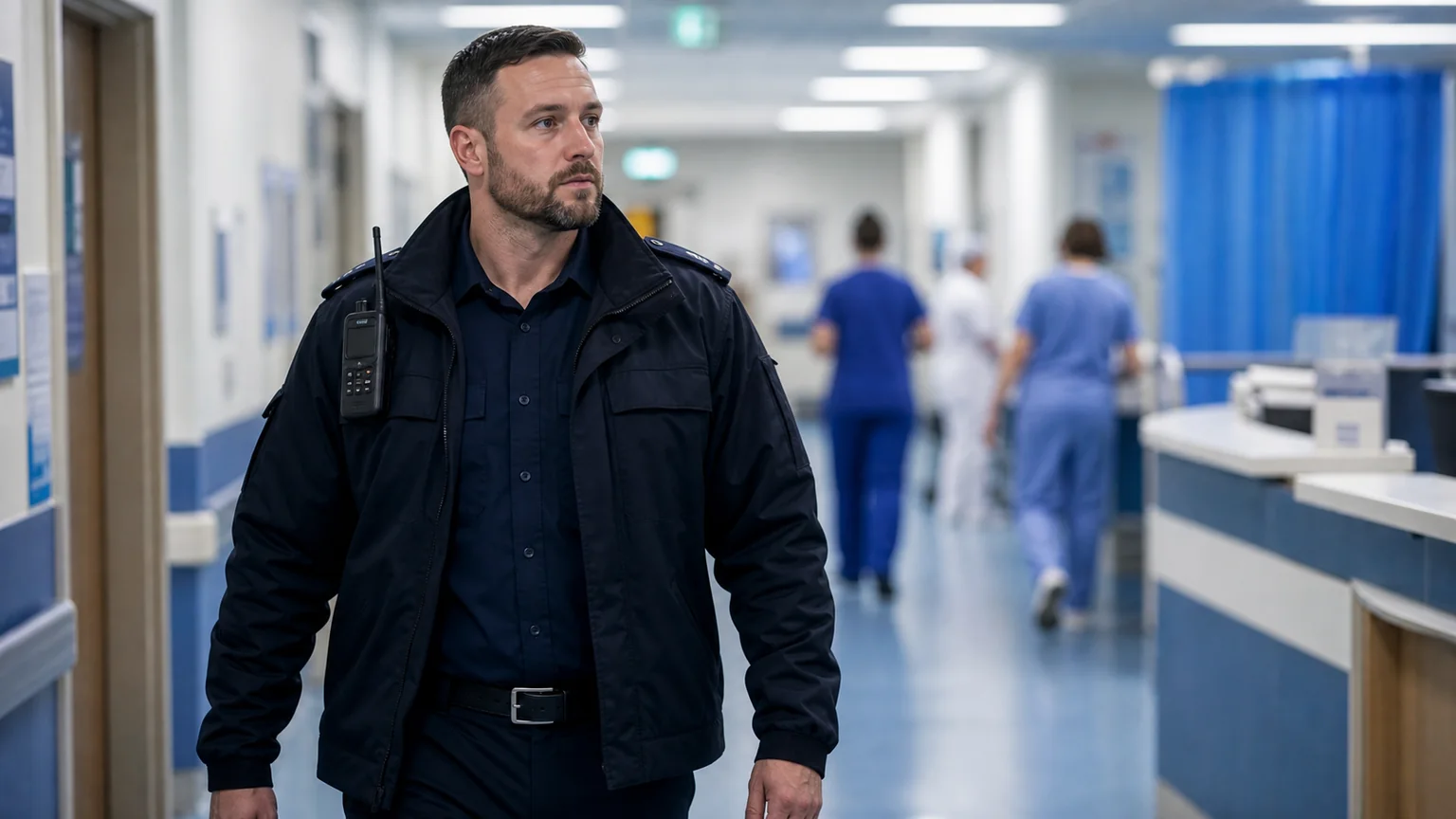
Discover what healthcare security officers really do, from patrols and CCTV to conflict management, emergency response, communication, and incident reporting.
Read article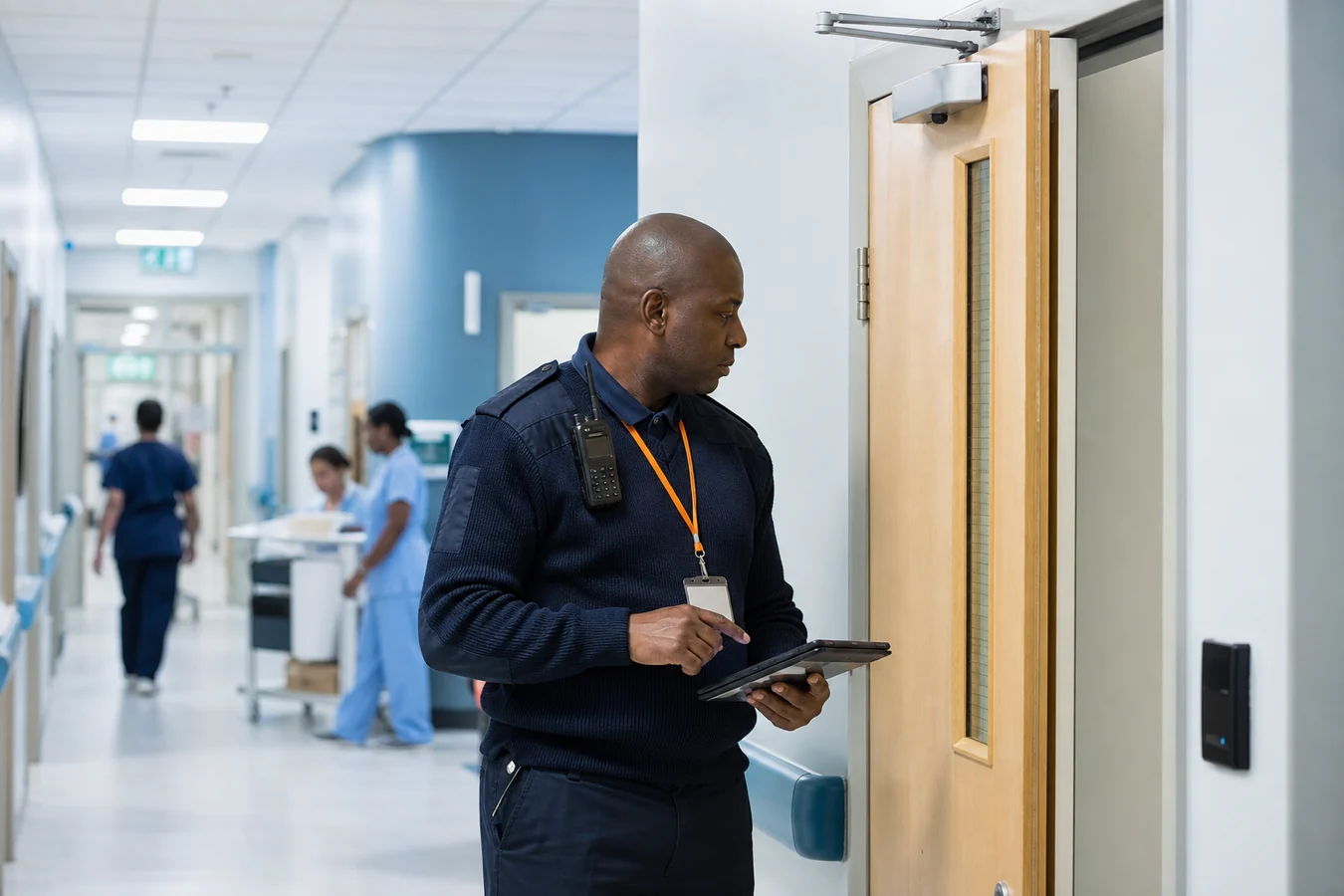
Small security failures can quietly become normal in hospitals. Learn why consistent standards, reporting, and early action protect people and services.
Read article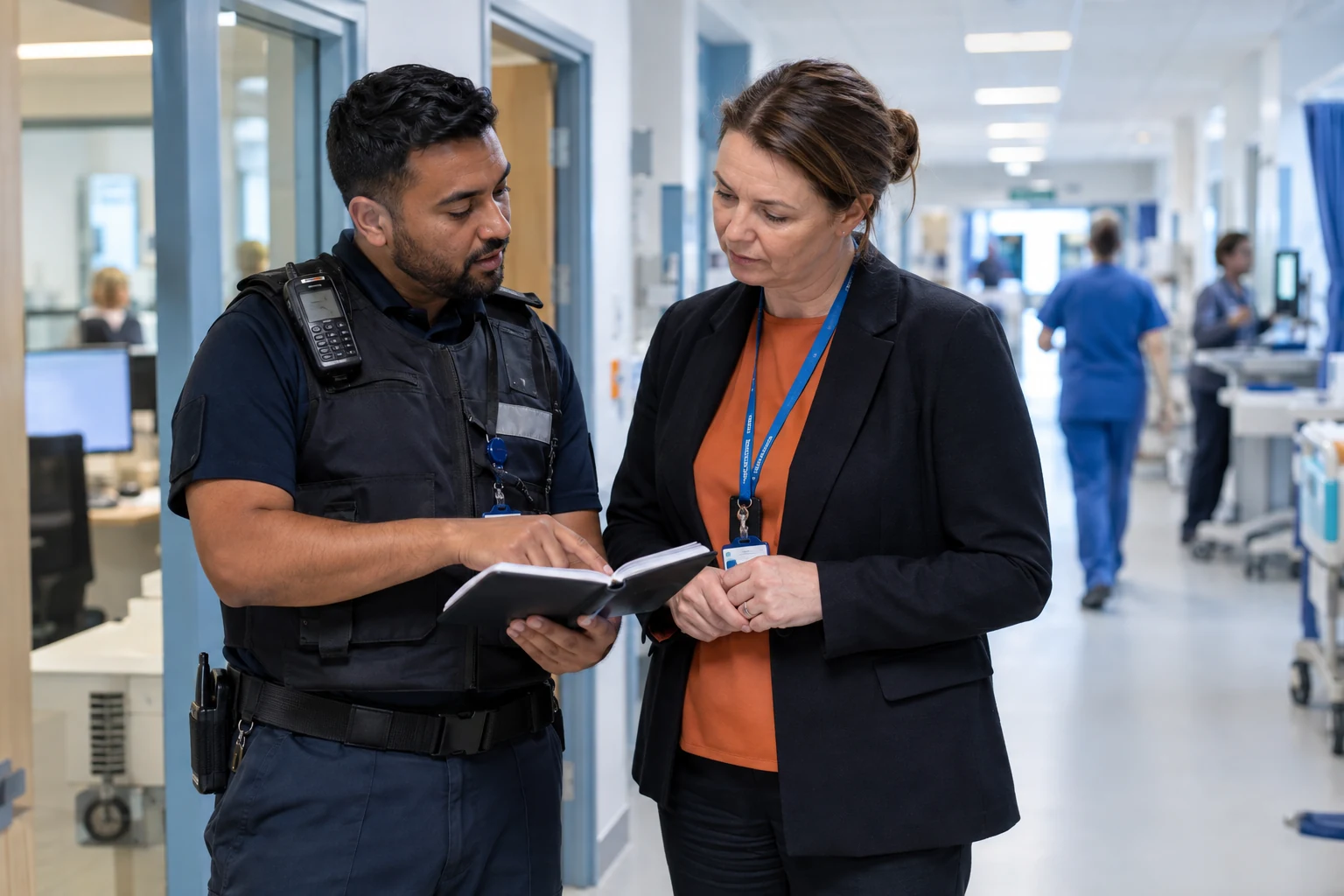
Why healthcare security officers should raise concerns professionally, recognise patterns, use the right reporting route, and never assume somebody else will act.
Read articleFAQ
It helps officers maintain awareness of the site, identify hazards or security concerns, reassure people, verify controls, and pass on useful information.
Follow local instructions and required checks. Where procedures allow flexibility, variation can help officers avoid treating familiar surroundings as automatically safe.
Record relevant observations, checks, actions, unresolved defects, and escalations using the reporting or handover system required by your organisation.
Next Steps